INSIGHTS
Insights brings together updates, reflections, and short pieces on the ideas shaping our work and our world.
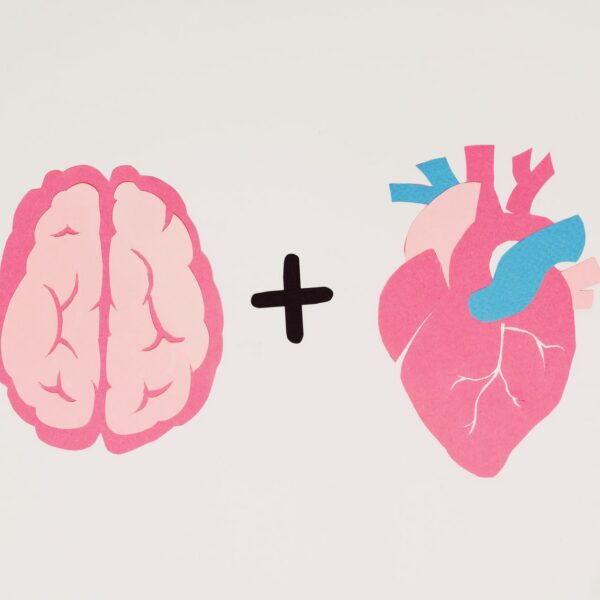
The Body in the Room
The dominant model of professional judgement is essentially computational: a mind processes information, weighs evidence, applies rules and training, and produces a decision. The body, on this account, is a delivery mechanism, it transports the mind to the meeting, the ward, the courtroom, the home visit. What happens in the body during the professional encounter is largely irrelevant to what happens in the mind.

The Argument You Didn’t Know You Were Making
Every professional recommendation is an argument. Every risk assessment is an argument. Every advice note, care plan, referral letter, and board report is an argument, a set of statements in which some are offered as reasons to accept or act upon others. The problem is that most professional training does not teach argument. It teaches content, the knowledge and skills relevant to a professional domain. It teaches process. What it rarely teaches is the structure of reasoning itself.
Continue Reading The Argument You Didn’t Know You Were Making
The Professional Case for AI Scepticism
There is a version of the conversation about AI in professional settings that treats scepticism as a failure of imagination, as though those who ask hard questions about AI reliability are simply behind the curve, waiting to be convinced by better demonstrations. This piece argues the opposite. Informed professional scepticism about AI is not a position to grow out of; it is a professional competency.

What Expertise Actually Looks Like
We tend to assume that professional expertise develops through experience, that the accumulation of cases, encounters, and outcomes produces, over time, a more reliable professional judgement. The research on expertise development tells a more complicated story. Experience without feedback does not produce expertise. It produces confidence. These are not the same thing.

Bias, Opacity, and Over-Reliance
The three AI risks that professional training is not addressing. The professional conversation about AI tends to oscillate between two positions: uncritical enthusiasm about what AI can do, and reflexive anxiety about what AI will do to professional employment. Neither is particularly useful for the practitioner who needs to work with these tools now, make…

The Decisions You Think You Are Making
There is a question that most professionals never ask about their own decisions: how much of what I concluded did I actually reason my way to, and how much was produced by processes I had no access to?

Why Language Does More Than Describe
There is a widely held assumption about professional communication, that it is, at its best, transparent: a medium through which facts, assessments, and recommendations pass from professional to audience without distortion. Discourse analysis, the systematic study of language in use, challenges this assumption at its foundations. Language is not a neutral carrier. It is an active participant in the construction of professional reality.
WHAT MAKES HALVARDEN UNIQUE?
Halvarden is founded on academic rigour and it shows in everything we do. We stand apart through rigorous thinking, specialist expertise, and a commitment to clarity. Our training builds capability, our advisory provides authoritative judgement, and our consultancy delivers hands‑on solutions grounded in evidence, precision, and real‑world impact.